Kyoto’s Arashiyama Ranks Second with 41% of Votes; Experts Share Travel Tips
Oct 9, 2026
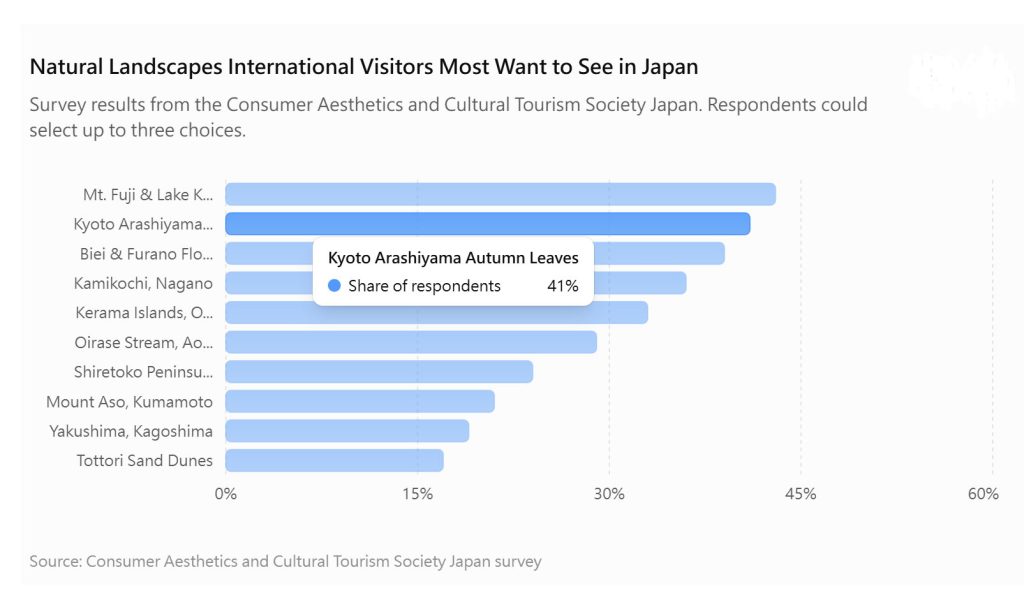
A survey by the Consumer Aesthetics and Cultural Tourism Society Japan on the natural landscapes international visitors most want to see in Japan found that Kyoto’s Arashiyama autumn foliage ranked second, selected by 41% of respondents. With this year’s peak foliage season expected to arrive later in some areas, the association recommends that travelers keep monitoring the latest foliage forecasts and remain flexible when planning their autumn leaf-viewing itineraries.
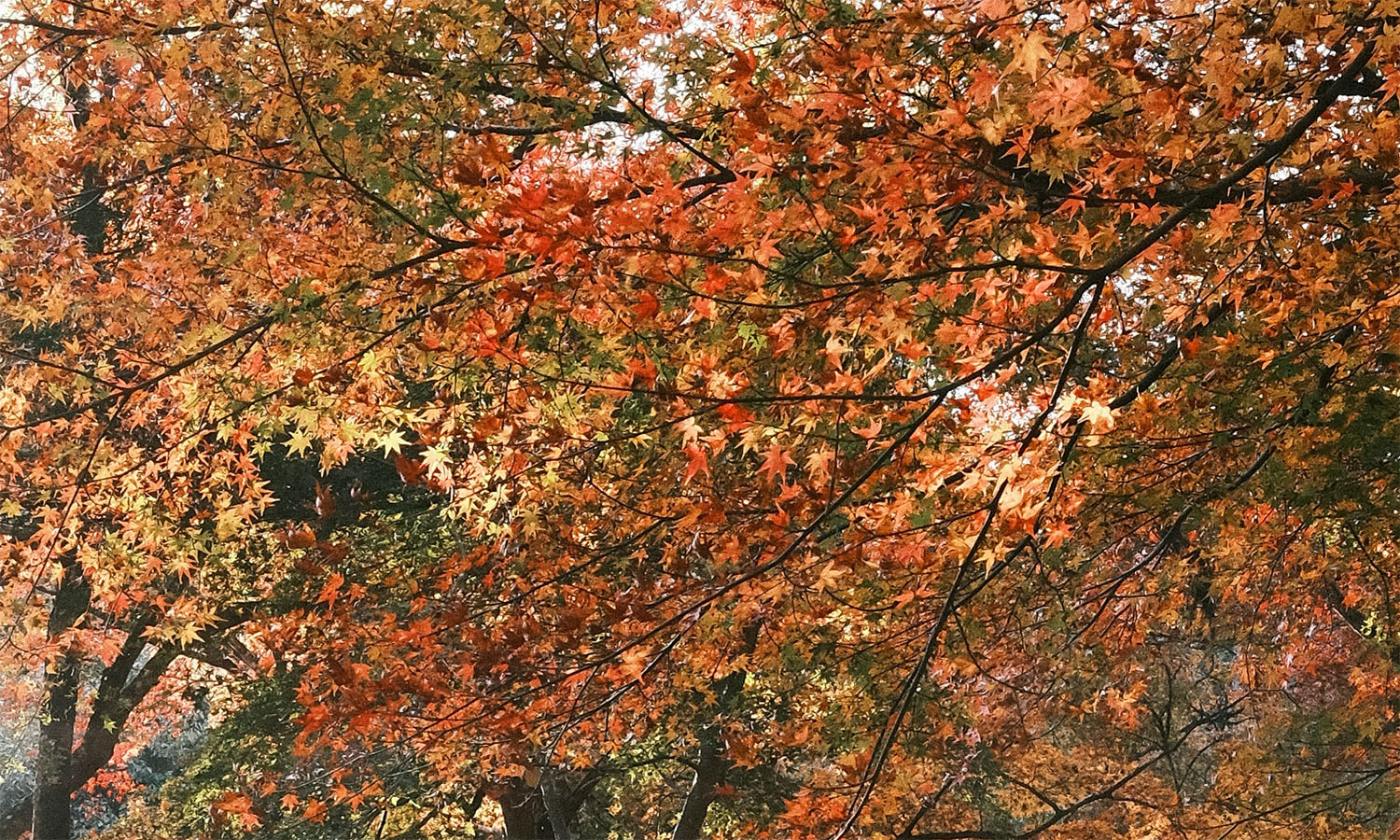
TOKYO, JAPAN (MERXWIRE) – As autumn arrives, Japan’s landscapes begin to transform with vibrant shades of red, orange and gold. Maple trees around Kyoto’s temples and rivers gradually change color, while forests and mountain valleys take on the warm hues of the season. From historic temples in Kyoto to mountain trails near Tokyo and scenic valleys in northeastern Japan, autumn foliage attracts travelers seeking to experience Japan’s seasonal beauty. A survey titled “Natural Landscapes Travelers Most Want to See in Japan,” conducted by the Consumer Aesthetics and Cultural Tourism Society Japan, found that autumn leaves are among the natural attractions travelers most want to experience. Kyoto’s Arashiyama ranked second, selected by 41% of respondents.
The survey asked travelers visiting Japan to select three preferences from a list of 10 natural landscapes. Mount Fuji and Lake Kawaguchi ranked first, selected by 43% of respondents, followed by Kyoto’s Arashiyama autumn foliage at 41%. The flower fields and rolling hills of Biei and Furano in Hokkaido ranked third at 39%. Nagano’s Kamikochi placed fourth at 37%, Okinawa’s Kerama Islands ranked fifth at 35%, and Aomori’s Oirase Gorge came sixth at 28%. The results show that travelers are drawn to a variety of natural settings, including mountains, lakes, flower fields, islands and forested valleys. Autumn foliage ranked among the most popular choices, highlighting the appeal of seasonal scenery when planning a trip to Japan.
The association said one of Japan’s distinctive autumn features is the gradual progression of foliage colors across different regions. The autumn foliage front generally moves southward from Hokkaido and northeastern Japan, while the changing colors also progress from higher elevations toward lower-lying areas and cities. This regional variation allows travelers to plan their itineraries according to their travel dates and preferred destinations. Mountain areas in Hokkaido and northeastern Japan often enter the foliage season earlier, while parts of the Kanto and Kansai regions offer opportunities to enjoy autumn colors later in the season. Beyond sightseeing and photography, travelers can combine foliage viewing with hiking, temple visits, cultural experiences and local cuisine, making autumn travel an opportunity to explore both Japan’s natural landscapes and regional traditions.
However, the best viewing period for autumn foliage in 2026 may arrive later than usual in some areas. In its first autumn foliage forecast of the year, released on October 1, Japan Weather Corporation predicted that autumn temperatures would be higher than average, with the peak viewing periods for red and yellow leaves expected to be around normal or later than usual in many locations. Jozankei in Hokkaido was forecast to reach its peak around October 15, while Kyoto’s Arashiyama was expected to peak around November 13. Tokyo’s Mount Takao was forecast for around November 19, and Miyajima in Hiroshima for around November 18. Actual conditions may vary depending on local temperatures, rainfall and other weather factors, so travelers are advised to check updated forecasts before departure.
For visitors planning an autumn trip to Japan, Kyoto’s Arashiyama, Mount Takao near Tokyo, Oirase Gorge in Aomori and Mount Asahidake in Hokkaido are representative destinations worth considering. Arashiyama combines colorful mountain scenery and riverside views near Togetsukyo Bridge with temples and traditional cultural attractions. Mount Takao offers forest trails within convenient reach of Tokyo, making it suitable for a day trip. At Oirase Gorge, visitors can enjoy streams, rocks and woodland scenery along the walking routes, while Mount Asahidake’s high elevation means autumn colors generally arrive earlier than in many lowland destinations. Since foliage timing, transportation and accessibility vary by location, travelers can select destinations based on their travel dates, physical fitness and transportation arrangements, or plan a multi-stop itinerary to experience the changing colors across different regions.
As temperatures begin to cool across Japan, travelers are making plans to see the autumn foliage. The association recommends avoiding reliance on a single date or destination and instead allowing flexibility based on the latest forecasts, transportation schedules and accommodation locations. Travelers can also combine foliage viewing with nearby hot springs, temples, forest trails and regional food experiences, creating a more varied itinerary even if the leaves have not fully changed color. Those seeking to avoid crowds may consider visiting popular attractions on weekday mornings and checking transportation schedules and accommodation availability in advance. Temperatures can differ considerably between mountain areas and urban centers, so visitors should check local weather forecasts and bring suitable layers, comfortable walking shoes and appropriate outdoor gear.
A traveler who frequently visits Japan said that the autumn foliage season was something they looked forward to every year. “Once the maple leaves turn red, the streets and forests feel completely different. It is a wonderful time to walk around and enjoy the scenery.” For such travelers, the appeal of autumn extends beyond the colorful leaves themselves. The seasonal atmosphere, changing streetscapes and opportunities to experience local life all contribute to the travel experience. Other travelers have also said that visiting Japan during the foliage season allows them to appreciate the country’s distinct seasonal changes, making autumn an especially appealing time to plan a trip.
With its vivid colors and relatively short viewing window, autumn foliage has become an important consideration for travelers planning trips to Japan in the fall. As some locations may experience later peak viewing periods in 2026, travelers are encouraged to monitor the latest forecasts from Japan Weather Corporation and local tourism authorities, adjusting their itineraries according to actual weather and foliage conditions. Whether visiting Kyoto’s temples, walking through forests near Tokyo or exploring the streams and valleys of northeastern Japan, keeping track of regional foliage schedules can help travelers plan more flexible itineraries and make the most of Japan’s autumn landscapes.
Media Contacts:
Consumer Aesthetics and Cultural Tourism Society Japan
PR Agency:
MERXWIRE INC.
Ada Huang
[email protected]
SOURCE: Consumer Aesthetics and Cultural Tourism Society Japan
MORE NEWS






YOUR NEWS, OUR NETWORK.
Do you have Great News you want to tell the world?
Be it updates about your business or your community, you can make sure that it’s heard by submitting your story to our network reaching hundreds of news sites across 6 verticals.