How OEM Phone Stand Manufacturer Xinlu Connects Customized Development with Mass Production
Sep 29, 2026
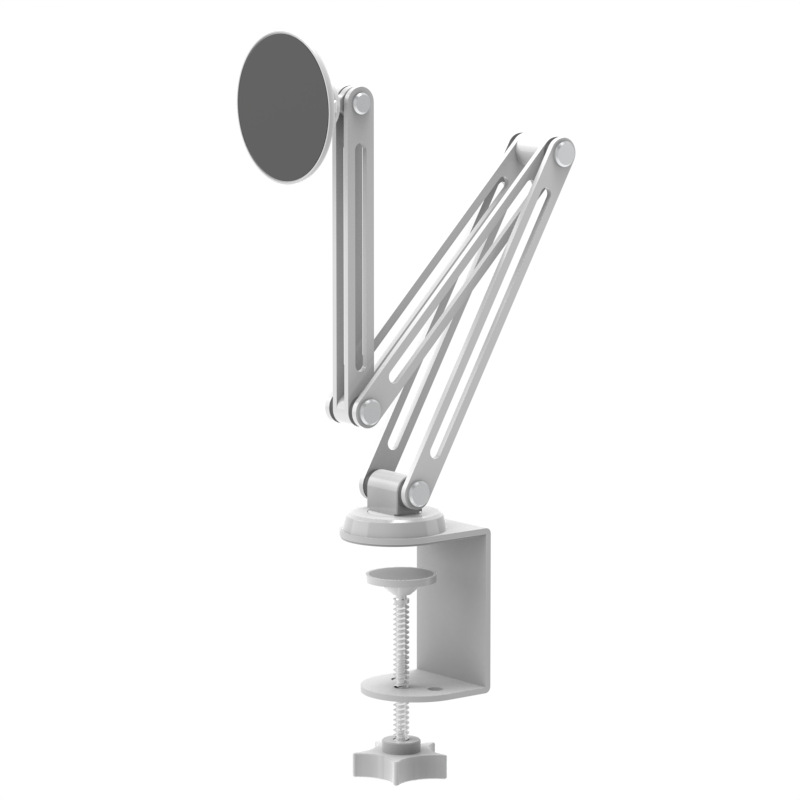
Shenzhen, Guangdong Sep 28, 2026 (Issuewire.com) - Moving from a custom hardware prototype into high-volume manufacturing requires disciplined engineering oversight. When consumer brands and international buyers partner with an OEM phone stand manufacturer, the primary goal is turning an approved prototype into thousands of identical, defect-free production units. Operating from Shenzhen, China, Shenzhen Xinlu Hardware Products Co., Ltd. (operating as Xinlu) specializes in precision metal stand manufacturing, offering structured OEM and ODM services that connect tailored product development with reliable mass production.
A smooth transition to volume production relies on clear engineering controls. Teams must translate qualitative feedback into measurable tolerances, freeze approved golden samples, set up rigorous inspection protocols, and enforce disciplined change management. By managing structured handoffs between design, tooling, assembly, and packaging, Xinlu ensures that custom hardware lines deliver consistent mechanical stability and premium surface aesthetics batch after batch.
Turn Subjective Design Ideas into Measurable Factory Standards
Custom stand projects often start with broad design aspirations like 'sturdy construction,' 'smooth hinge movement,' or a 'premium metallic feel.' While these descriptions capture design intent, they cannot serve as actionable quality standards on the production floor. An experienced manufacturer translates these subjective goals into objective, measurable engineering specifications.
Sturdiness, for example, must be defined by measurable deflection limits under specific loads applied at set lever arms. If a stand is designed to support heavy flagship smartphones fitted with thick protective cases, engineers specify the maximum allowable downward flex during active screen tapping. Similarly, hinge resistance is calibrated in Newton-centimeters of rotational torque rather than personal feel. This ensures hinges stay firm enough to prevent unwanted sagging while remaining smooth enough for effortless angle adjustments.
Surface finishes also require strict quantitative boundaries. Anodized aluminum parts are inspected against agreed physical color chips under standardized D65 lighting booths, with acceptable delta-E color variance limits clearly documented. Scratch resistance, coating thickness, and edge deburring must follow standardized criteria to eliminate sharp edges or uneven finish wear. Locking in these metrics during initial design reviews prevents costly disputes during final pre-shipment inspections.
Lock In a Single Approved Golden Sample Revision
Hardware prototyping is naturally iterative, with components evolving across multiple sample stages. A frequent sourcing mistake happens when buyers approve changes piecemeal across different units--such as approving color on sample two, hinge friction on sample three, and pad contours on sample four--without ever signing off on a single, unified reference unit.
An authorized golden sample must represent exactly one frozen revision level. Every component--including the base plate, articulated arm, pivot pins, internal friction washers, silicone contact pads, and fasteners--must correspond directly to a controlled 2D drawing revision. When international procurement teams evaluate pre-production units, final approval must apply strictly to this fully integrated sample.
Xinlu manages sample sign-offs by archiving identical master golden samples at both the client's office and the Shenzhen factory. These physical reference units serve as the baseline for incoming raw material checks, in-process machining verification, and final quality audits. If secondary tooling modifications become necessary, a new revision code is formally assigned, ensuring complete traceability across the product lifecycle.
Review Function Separately from Appearance
To evaluate pre-production hardware thoroughly, quality teams should review mechanical functionality and cosmetic appearance as separate inspection tracks. Combining both checks into a single quick visual inspection often allows subtle mechanical flaws to slip through unnoticed.
Functional Review
The functional evaluation verifies whether the stand performs reliably under real-world daily use. Quality teams first inspect hinge stability, confirming that dual-pivot friction hinges hold specified torque throughout their entire motion range without slipping, binding, or play. Next, engineers test the center of gravity and tipping limits by placing heavy smartphone models on the cradle at steep tilt angles. They also check cable and camera clearances to ensure charging cables plug in smoothly without bending stress, and that rear camera modules remain fully unobstructed during desktop video calls. Finally, silicone foot and cradle pad adhesion is verified to confirm pads resist peeling, maintain firm desk grip, and leave zero residue on furniture surfaces.
Appearance Review
Once functional performance is confirmed, the cosmetic review assesses visual and tactile refinement. Anodized surfaces are checked for uniform color, flow marks, water spots, and micro-pitting. Chamfered edges, laser-etched brand logos, and counterbored screw holes are inspected to ensure smooth toolpaths free of machining burrs. Finally, packaging materials--including printed gift boxes, internal protective trays, and user guides--are checked for color consistency, crush resistance, and clear barcode printing.
Finalize the Full Production Package Before Tooling
Transitioning an approved prototype into mass production requires releasing a comprehensive manufacturing documentation package. A common procurement pitfall is authorizing volume production based solely on a purchase order with a generic model number, without attaching a complete bill of materials.
A complete production release package compiled by an experienced factory includes fully dimensioned 2D engineering drawings with critical tolerances, hole pitches, and bend radii, alongside locked 3D CAD master files. It includes a detailed bill of materials (BOM) specifying metal alloy grades, silicone durometers, screw plating, and packaging paperboard weights. In addition, it outlines a standardized quality inspection plan detailing sample sizes, Acceptable Quality Limit (AQL) standards, test equipment, master packaging artwork, and pallet loading configurations.
Xinlu locks this complete configuration data directly into factory work orders before scheduling extrusion, stamping, or CNC machining cycles. This guarantees that production operators work exclusively from current, authorized documentation.
Fix Production Variances at the Source Instead of Cutting Corners
During high-volume production, minor variances can emerge from raw material batches, tooling wear, or finishing bath fluctuations. When variances occur, disciplined manufacturing requires resolving the root cause immediately rather than silently relaxing quality standards.
If a batch of pivot pins shows a slight dimensional variance, the factory must never widen hole tolerances to force assembly without the customer's written approval. Similarly, if supply chain shifts affect a silicone adhesive formulation, replacement materials must undergo full peel and shear testing before being applied on the line.
Xinlu maintains open, transparent communication with global clients. When unexpected manufacturing variances arise, engineering teams deliver detailed corrective action reports, evaluate non-destructive rework options, and obtain formal customer sign-off before releasing affected lots. This commitment to process integrity prevents surprise field failures and protects brand reputation.
Reorder by Controlled Part Numbers, Not Old Photos
As a product line matures and reorders are placed across successive retail seasons, commercial teams must ensure that reorders reference precise revision identifiers rather than informal product descriptions or historical photos.
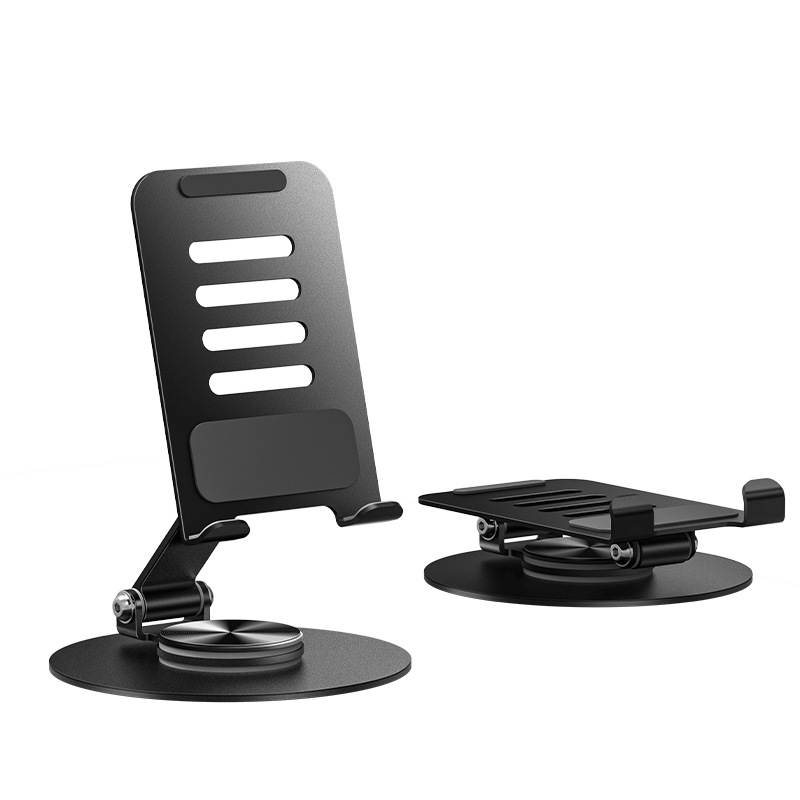
A repeat purchase order should explicitly cite the approved model number, master drawing revision code, packaging artwork version, and agreed inspection standards. For multi-position accessories like folding desktop phone stands, maintaining strict revision control guarantees that routine tooling maintenance or die refurbishments will never alter the core user experience.
Shenzhen Xinlu Hardware Products Co., Ltd. provides international brand teams with dependable machining precision and flexible production scheduling. Sourcing directors seeking structured mass-production transitions can establish Golden Sample freeze protocols or explore the factory's verified Alibaba wholesale portal to discuss engineering tolerances and request pre-production sample evaluations.
Media Contact
Shenzhen Xinlu Hardware Products Co., Ltd.
Source :Shenzhen Xinlu Hardware Products Co., Ltd.
This article was originally published by IssueWire. Read the original article here.
MORE NEWS





_VZ_partners_with_Tourism_Malaysia-600x315.jpg)






YOUR NEWS, OUR NETWORK.
Do you have Great News you want to tell the world?
Be it updates about your business or your community, you can make sure that it’s heard by submitting your story to our network reaching hundreds of news sites across 6 verticals.